
Interest in regenerative medicine has grown significantly in recent years, and many people exploring treatment options for hearing loss have begun asking about the possibilities of stem cell therapy. Although the idea is compelling, stem cell therapy for deafness remains experimental and is not a proven medical treatment. At Rocky Point Stem Cell Therapy, we believe in providing clear, transparent information so patients understand what is known, what is still being researched, and what realistic expectations are.
This guide takes a closer look at why stem cells are being explored for hearing loss, what makes this area experimental, and what individuals should consider before pursuing any regenerative approach.
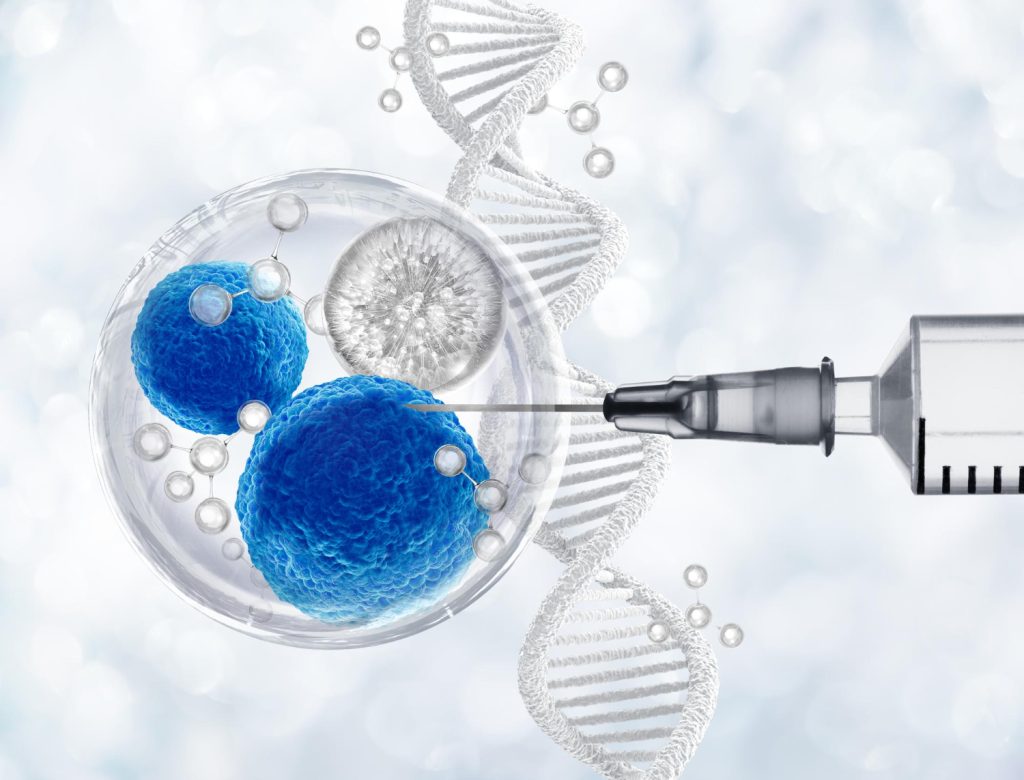
What Causes Hearing Loss?
Hearing loss can originate from many different factors, and each type involves different structures within the ear. Because of this, not all forms of hearing loss are treated the same way, and experimental treatments such as stem cell therapy may not be appropriate for every situation. Understanding the nature of the hearing loss is an important step in determining whether an individual is a suitable candidate for any regenerative inquiry.
Damage to Inner Ear Hair Cells
Inside the cochlea are tiny hair cells that help convert sound waves into signals the brain can understand. These cells can become damaged from long-term noise exposure, sudden loud sounds, aging, or certain medical conditions. Once damaged, these cells do not naturally regenerate, which is one reason many individuals explore regenerative medicine. However, the role of stem cells in supporting these structures remains under study, and outcomes are unclear.
Nerve-Related Hearing Loss
Some individuals experience hearing loss because the auditory nerve or nerve pathways fail to efficiently send signals to the brain. This type of hearing loss is also known as sensorineural hearing loss. When the cause is nerve-related, the challenge becomes more complex, and it is uncertain how stem cells may behave in this environment. Research continues, but nerve-related causes remain an area where results, if any, are unpredictable.
Age-Related Hearing Decline
As people age, hearing loss becomes more common. This may occur due to cumulative wear and tear on the auditory system, reduced blood flow, or gradual changes in cells within the inner ear. Age-related hearing loss often progresses slowly, and the structures involved may not respond to experimental therapies. Managing expectations is important for individuals in this category.
Infections, Illness, or Medication Effects
In some cases, hearing loss develops after certain infections, autoimmune responses, or reactions to medications known to affect the auditory system. The degree of damage can vary widely, and a medical provider needs to determine whether the hearing loss is stable or progressing. This information helps patients understand which treatment paths may be worth exploring.
Sudden Hearing Changes from Injury or Trauma
Head injuries, pressure changes, or physical trauma to the ear can result in immediate hearing loss. Some forms are temporary, while others can be permanent. The structures affected may include the eardrum, middle ear bones, or deeper inner ear components. Because trauma-related cases differ so greatly, experimental treatments must be considered carefully and only after proper diagnosis.
Why Evaluation Matters Before Considering Experimental Care
Because hearing loss is so diverse, there is no universal explanation or treatment. Conventional evaluations with an ENT, audiologist, or hearing specialist are essential for identifying the cause, classifying the type, and determining whether someone is appropriate for any investigational therapy. These evaluations also ensure that patients continue to receive established treatments, such as hearing-aid fittings or cochlear-implant consultations, even as they explore regenerative options.
Understanding the source of the hearing loss helps set appropriate expectations and ensures that any decision about experimental therapy is made responsibly and with proper medical guidance.
Why Stem Cells Are Being Explored for Hearing Loss

Stem cell therapy has generated interest across many areas of medicine, including hearing loss, because of its potential to influence how specific tissues behave. While research is still very early, and nothing has been proven or standardized, these preliminary ideas have sparked curiosity among patients and scientists. It is important to understand what motivates this interest and where the limits of current knowledge remain.
Interest in Regenerative Possibilities
Researchers are studying whether regenerative cells may someday support the structures of the inner ear. The cochlea, which is responsible for translating sound vibrations into electrical signals, contains highly specialized cells that do not naturally repair themselves once damaged. This limitation has led to questions about whether stem cells could influence cellular activity or provide supportive benefits in the future. These questions are still theoretical and form the basis for ongoing studies.
Early Laboratory Studies and Observations
Some experimental research has sought to observe how stem cells behave when introduced into environments resembling the inner ear. These studies have looked at whether stem cells can survive, interact with surrounding tissues, or contribute to biological processes in controlled laboratory settings. While these observations are scientifically interesting, they do not represent proven treatments and have not yet been translated into predictable clinical outcomes for patients with hearing loss.
Exploration of How Stem Cells May Interact With Inner Ear Structures
A portion of current research focuses on whether stem cells can influence specific cellular pathways or support certain functions within the inner ear. This exploration includes examining how stem cells differentiate, how they respond to cochlear environments, and whether they can integrate with existing structures. These ideas remain hypothetical, and researchers continue to study them from a scientific standpoint rather than a therapeutic one.
What Makes Stem Cell Therapy for Deafness Experimental
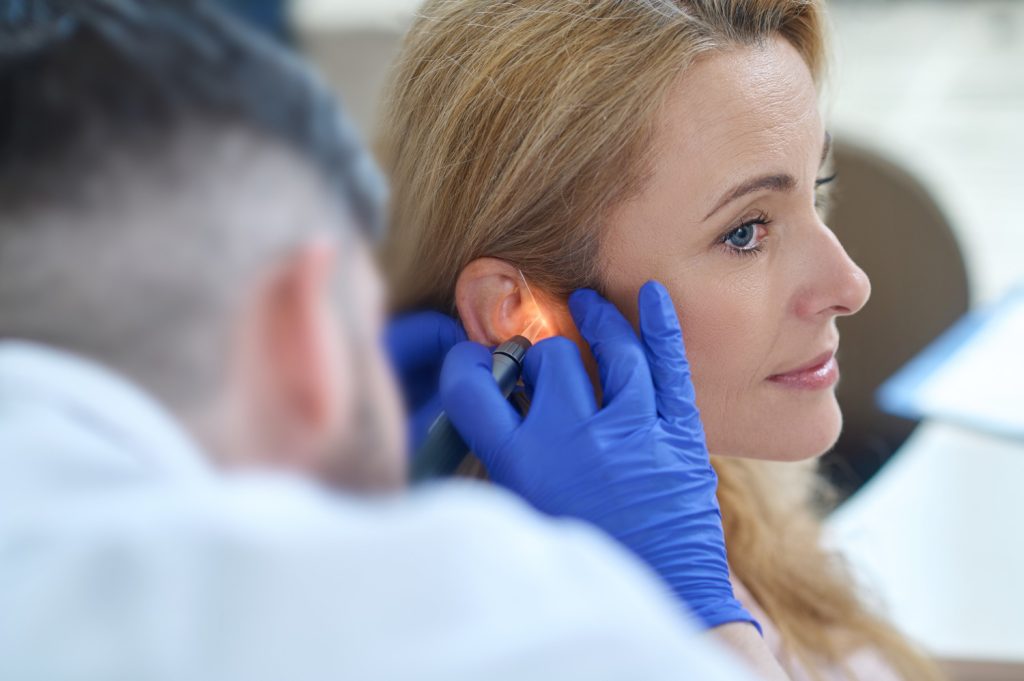
Stem cell therapy is widely explored in regenerative medicine, but its application for hearing loss remains an investigational concept. Unlike other areas where stem cells have more defined clinical uses, there are currently no standardized methods for applying this therapy to the auditory system. This includes a lack of defined dosing, delivery methods, or treatment schedules. Without these standards, consistency cannot be achieved, and clinical predictability is not possible. This uncertainty is one of the main reasons why stem cell therapy for deafness is classified as experimental.
Lack of Confirmed Clinical Outcomes
Although early-stage research continues, there is no conclusive clinical evidence showing that stem cell therapy can restore hearing or reverse deafness in humans. Any reported improvements are anecdotal and vary widely, making it difficult to determine whether stem cells played a role or whether changes were related to other factors.
Uncertain Behavior of Stem Cells in the Inner Ear
The inner ear is an extremely delicate and complex environment. How stem cells interact with these structures remains unclear. Researchers do not yet know how stem cells would behave once administered, how they might influence surrounding tissues, or whether they can integrate into the auditory system in a meaningful way.
Not a Replacement for Established Hearing Treatments
Because stem cell therapy for deafness has not been validated, it should never be viewed as a substitute for proven treatments such as hearing aids, cochlear implants, or traditional audiology care. These methods remain the most reliable options for managing hearing loss, and stem cell therapy should only be approached as an experimental exploration, not a primary solution.
What Patients Often Want to Know About the Experimental Process
Individuals exploring stem cell therapy often have questions about how the treatment may work and what to expect. Although the process varies by clinic and condition, stem cell therapy in general involves collecting cells, preparing them in a controlled environment, and administering them based on a personalized evaluation.
Since results can vary widely and hearing-related outcomes are unpredictable, patients must approach this type of therapy with realistic expectations. Some individuals explore stem cell therapy because they have exhausted conventional options or because they are curious about future developments in regenerative medicine. Patients need to understand that experiences vary and improvements, if any, cannot be predicted.
Who Might Explore Experimental Stem Cell Therapy
People who pursue this type of therapy typically fall into one of the following categories:
- Those who have not found relief through traditional hearing treatments
- Individuals who are interested in investigational or emerging therapies
- Patients looking for supportive approaches rather than guaranteed solutions
A thorough medical evaluation is essential. Patients should understand their diagnosis and how it relates to what regenerative medicine can or cannot address.
Setting Realistic Expectations
Setting proper expectations is crucial when considering experimental care. At this time, no evidence suggests that stem cell therapy can consistently improve or reverse deafness. Any reported results are anecdotal and vary from person to person. Individuals exploring this option should continue working with their ENT, audiologist, or hearing specialist. Established treatments remain the primary path for managing hearing loss, and stem cell therapy should be viewed as supplemental, experimental, and unpredictable.
Safety Considerations
Safety should always be the highest priority. Anyone considering an experimental therapy needs to:
- Undergo proper medical screening
- Review their full health history with a licensed provider
- Understand what is known and not known about potential benefits
- Ask clear questions about the process, environment, and follow-up care
Stem cell therapy must be administered in a controlled, sterile medical setting by trained professionals to minimize risk and ensure transparency throughout the experience.
Why Rocky Point Stem Cell Therapy Focuses on Education
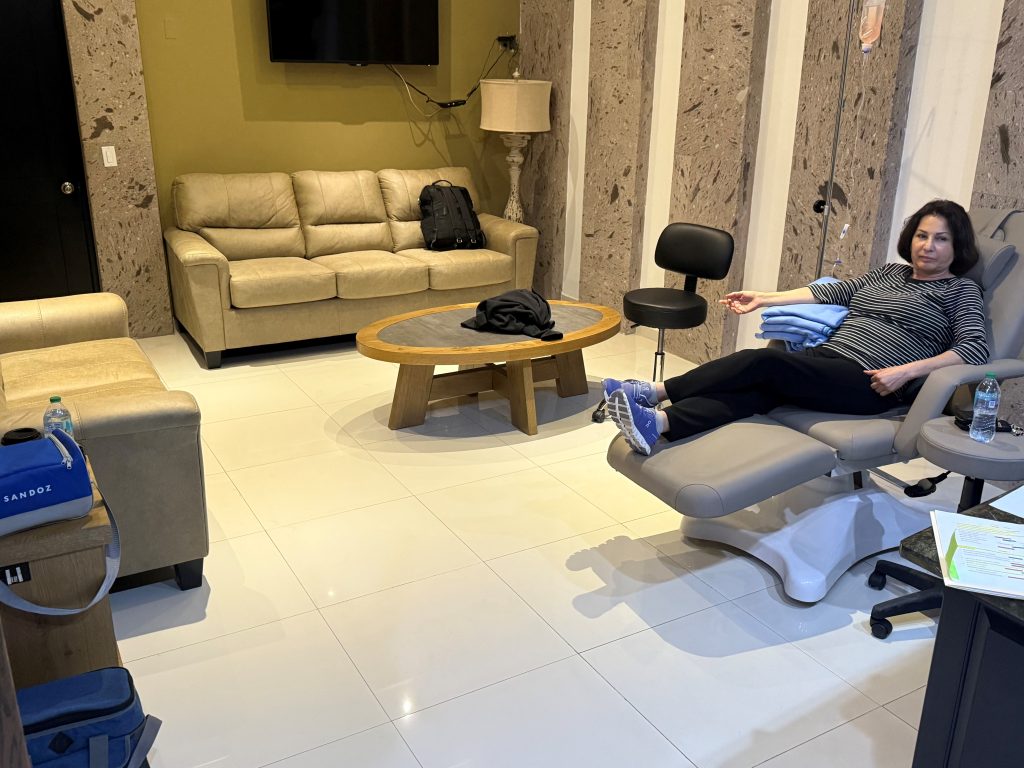
Rocky Point Stem Cell Therapy provides information and guidance for individuals who want to learn more about regenerative medicine. We emphasize clarity, honesty, and realistic discussions about what experimental therapy can involve. Our goal is to help patients explore their options in an informed, thoughtful way and to ensure each person understands what an experimental approach means before deciding to move forward.
Every patient consultation includes a review of goals, medical history, and existing hearing evaluations. This helps determine whether exploring an experimental therapy aligns with the individual’s overall health picture.
Exploring Regenerative Options for Hearing Loss
Stem cell therapy for deafness is an emerging and highly experimental area of regenerative medicine. While scientific interest continues to grow, outcomes are uncertain, and no proven treatment currently exists. Individuals exploring this possibility should take time to understand the research, evaluate their options with a trusted medical provider, and maintain realistic expectations throughout the process.
If you would like to discuss your health goals, ask questions about regenerative therapy, or learn more about the experimental nature of stem cell approaches. In that case, Rocky Point Stem Cell Therapy is available to provide guidance. Contact us to schedule an educational consultation and explore whether this approach aligns with your needs.
