
Patients looking for real healing, not temporary relief, are starting to pay attention to how stem cell therapy and peptides work together. Instead of relying on treatments that only manage symptoms, this approach focuses on repairing damaged tissue and improving the body’s healing.
Stem cell therapy has become a well-known option for addressing joint pain, injuries, and degenerative conditions. It works by introducing cells that help repair and regenerate damaged areas. Peptides take that process further. They act as signals in the body, helping to control inflammation, improve recovery, and support the environment in which healing occurs.
When these two are used together, the goal is not just improvement. It is a more complete and efficient healing process. Stem cells handle the repair, while peptides help guide and enhance how that repair takes place.
At Rocky Point Stem Cell Therapy, this combined approach helps patients achieve better results from regenerative treatments. In this guide, you will see how stem cell therapy and peptides work individually, why they are often used together, and what patients can expect when both are part of a treatment plan.
What Is Stem Cell Therapy?

How Stem Cells Work in the Body
Stem cell therapy is designed to support the body’s natural ability to repair and regenerate damaged tissue rather than just manage symptoms.
- Stem cells are undifferentiated cells that can:
- Develop into different cell types
- Adapt based on the needs of the damaged area
- Support tissue repair and regeneration
- Help restore function in injured or degenerative tissue
- Develop into different cell types
- Key functions:
- Reduce inflammation
- Helps decrease pain and swelling
- Promote healing in damaged tissue
- Supports repair in joints, muscles, and soft tissue
- Support immune response
- Helps regulate how the body reacts to injury
- Reduce inflammation
The goal is to create a better healing response, not just temporary relief.
Conditions Commonly Treated with Stem Cell Therapy
Stem cell therapy is commonly used for conditions in which tissue damage or degeneration is the root cause.
- Joint pain (knees, hips, shoulders)
- Wear and tear or injury-related damage
- Arthritis
- Degenerative joint conditions cause pain and stiffness
- Soft tissue injuries
- Ligaments, tendons, and muscle damage
- Degenerative conditions
- Chronic issues that worsen over time
These are areas where traditional treatments often focus on symptom control rather than repair.
What Patients Should Understand
Setting expectations is critical for any regenerative treatment.
- Not a quick fix
- Healing takes time as the body responds and rebuilds
- Works by stimulating natural healing processes
- The body is doing the work, supported by the treatment
- Results vary based on condition and severity
- Factors like age, health, and extent of damage all play a role
Patients who understand this process tend to have better outcomes and expectations.
What Are Peptides?
Definition and Role in the Body
Peptides are a key part of how the body communicates and regulates biological processes.
- Short chains of amino acids
- Building blocks that influence specific functions
- Act as signaling molecules in the body
- Tell cells what to do and when to do it
- Function:
- Trigger specific biological responses
- Such as healing, inflammation control, or tissue repair
- Support healing and recovery
- Enhance how the body responds to injury
- Trigger specific biological responses
They do not replace natural processes. They guide and support them.
Types of Peptides Used in Regenerative Medicine
Different peptides are used depending on the treatment goal.
- BPC-157
- Known for tissue repair support
- Often used for tendon, ligament, and soft tissue recovery
- TB-500
- Supports inflammation reduction and healing
- Helps improve mobility and recovery time
- Growth hormone–related peptides
- Aid recovery and tissue regeneration
- Support overall repair and performance
Each peptide targets a specific part of the healing process.
Why Peptides Are Used Alongside Stem Cells
Peptides are often used to enhance the effectiveness of stem cell therapy.
- Enhance the body’s healing response
- Improve how the body reacts to treatment
- Improve the environment for stem cell activity
- Support better conditions for repair and regeneration
- Support faster and more efficient recovery
- Help reduce inflammation and improve tissue response
The combination creates a more complete approach. Stem cells handle repair, while peptides help guide and optimize the process.
How Stem Cell Therapy and Peptides Work Together
Complementary Roles
Stem cell therapy and peptides are often used together because they serve distinct yet interconnected functions in the healing process.
- Stem cells:
- Repair damaged tissue
- Target areas of injury or degeneration
- Support regeneration at the cellular level
- Repair damaged tissue
- Peptides:
- Signal and support healing processes
- Tell the body how to respond to injury
- Help regulate inflammation and recovery
- Signal and support healing processes
- Why this matters
- Stem cells do the repair work
- Peptides help guide and optimize how that repair happens
This combination creates a more structured and efficient healing response.
Improved Healing Environment
For stem cells to work effectively, the surrounding environment needs to support healing. This is where peptides play a key role.
- Peptides help:
- Reduce inflammation
- Limits ongoing damage and discomfort
- Increase blood flow
- Delivers nutrients and oxygen to the affected area
- Improve cellular communication
- Enhances coordination between cells involved in repair
- Reduce inflammation
- Result
- A more stable and supportive environment for regeneration
- Better conditions for stem cells to function effectively
Without this support, healing may be slower or less consistent.
Potential Benefits of Combining Treatments
Using stem cells and peptides together can improve both the speed and quality of recovery.
- Faster recovery timelines
- Reduced inflammation and improved healing response
- Patients may return to normal activity sooner
- More consistent outcomes
- Better control over the healing process
- Reduced variability between patients
- Improved tissue regeneration
- Stronger repair of damaged areas
- Focus on long-term improvement, not short-term relief
The goal of combining these therapies is not just faster results, but better overall outcomes that last.
Benefits of Combining Stem Cells and Peptides
Enhanced Recovery
One of the main reasons patients choose to combine stem cells and peptides is to improve the body’s recovery time and effectiveness.
- Reduced downtime
- Faster response from the body’s healing systems
- Less time dealing with inflammation and limited mobility
- Faster return to normal activity
- Improved recovery timelines compared to single-treatment approaches
- Helps patients get back to daily routines and physical activity sooner
This approach supports the body in recovering more efficiently, not just passively healing over time.
Better Pain Management
Pain is often tied to inflammation and tissue damage. Addressing both simultaneously leads to better results.
- Reduction in chronic pain
- Targeting the source of inflammation rather than masking it
- Improved comfort as healing progresses
- Less reliance on medication
- Reduced need for ongoing pain management solutions
- Focus shifts toward recovery instead of symptom control
For many patients, this is a key benefit that improves quality of life.
Improved Long-Term Results
The goal of combining these therapies is not short-term relief. It is a lasting improvement.
- Focus on healing the root issue
- Addresses underlying tissue damage and dysfunction
- Supports regeneration rather than temporary fixes
- Not just symptom relief
- Moves beyond managing pain to improving function
- Creates more durable, long-term outcomes
This is what separates regenerative approaches from traditional treatments.
Who Is a Good Candidate?
Ideal Patients
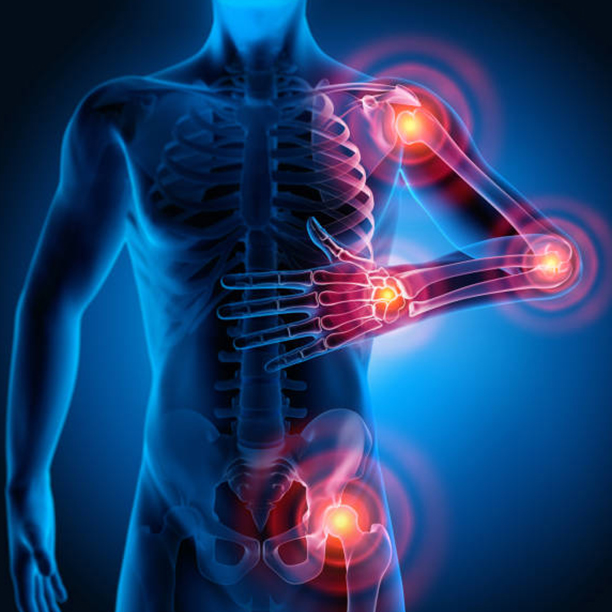
Stem cell therapy combined with peptides is best suited for individuals looking to improve function and reduce pain without surgery.
- Individuals with chronic pain or injury
- Ongoing joint discomfort, stiffness, or reduced mobility
- Injuries that have not responded well to traditional treatments
- Patients seeking non-surgical options
- Looking to avoid invasive procedures
- Wanting a treatment focused on healing rather than temporary relief
- Patients committed to recovery
- Willing to follow treatment plans and allow time for healing
- Open to a gradual improvement process rather than immediate results
Conditions That May Benefit
These treatments are commonly used for conditions involving tissue damage, inflammation, or degeneration.
- Joint degeneration
- Knees, hips, shoulders, and other weight-bearing joints
- Wear-and-tear conditions that affect mobility
- Tendon and ligament injuries
- Strains, tears, or chronic overuse injuries
- Areas where healing is typically slow
- Inflammatory conditions
- Conditions that cause ongoing pain and swelling
- Situations where reducing inflammation improves function
These are cases where supporting the body’s repair process can lead to meaningful improvement.
When It May Not Be Appropriate
Not every patient is a good candidate, and proper evaluation is necessary before starting treatment.
- Severe structural damage requiring surgery
- Advanced conditions where tissue cannot be repaired without surgical intervention
- Certain medical conditions
- Health factors that may limit how the body responds to treatment
- Situations where regenerative therapy may not be recommended
- Importance of evaluation
- A thorough consultation determines if this approach is appropriate
- Ensures the treatment plan is aligned with the patient’s condition and goals
Identifying the right candidates is key to achieving the best possible outcomes.
What to Expect from Treatment
Initial Consultation
The process starts with a detailed evaluation to determine whether stem cell therapy and peptides are appropriate for your condition.
- Evaluation of condition
- Identify the source of pain or dysfunction
- Assess the severity and how long the issue has been present
- Review of medical history
- Past treatments, injuries, or surgeries
- Overall health factors that may impact healing
- Goal of this step
- Confirm you are a good candidate
- Set realistic expectations for results
This consultation is where the treatment strategy begins to take shape.
Treatment Plan
Each patient receives a customized plan based on their condition, goals, and expected response to treatment.
- Customized approach:
- Stem cell therapy
- Targeted to the specific area of damage or degeneration
- Peptide support
- Selected to enhance healing, reduce inflammation, and support recovery
- Stem cell therapy
- What this includes
- Clear timeline and treatment steps
- Specific recommendations based on your condition
- Key focus
- Address the root issue
- Support the body’s ability to repair itself effectively
There is no one-size-fits-all approach. The plan is built around the individual.
Recovery Timeline
Recovery with regenerative treatments is gradual and depends on the body’s response.
- Gradual improvement over weeks to months
- Early changes may include reduced inflammation and improved mobility
- Continued progress as tissue repair develops
- Follow-up care and monitoring
- Track progress and adjust treatment if needed
- Ensure healing is progressing as expected
- What patients should expect
- Improvement, not instant results
- A steady progression toward better function and reduced pain
The goal is long-term improvement, not short-term relief.
Safety and Considerations
Importance of Medical Supervision
Stem cell therapy and peptide treatments must be performed under proper medical oversight to ensure safety and effectiveness.
- Treatments should be performed by qualified providers
- Experienced in regenerative medicine and injection techniques
- Familiar with patient selection and treatment planning
- Proper protocols reduce risk
- Sterile procedures and controlled environments
- Correct dosing and application based on the condition
- Why this matters
- Reduces complications
- Improves consistency of results
Managing Expectations
Understanding how these treatments work helps patients approach the process with realistic expectations.
- Results vary
- Based on condition severity, overall health, and response to treatment
- Some patients see faster improvement than others
- Not all patients respond the same way
- Healing timelines differ
- Some conditions respond better than others
- What to expect
- Gradual improvement over time
- Focus on progress, not immediate results
Clear expectations lead to better satisfaction and outcomes.
Compliance and Quality
The quality of materials and how they are handled play a major role in both safety and effectiveness.
- Use of high-quality materials
- Properly sourced stem cells and peptides
- Avoid low-quality or unverified products
- Proper handling and administration
- Controlled preparation and delivery
- Adherence to medical standards and protocols
- Result
- Safer treatments
- More reliable outcomes
Why Patients Choose Rocky Point Stem Cell Therapy

Expertise in Regenerative Medicine
Patients choose Rocky Point for its focused approach to advanced treatment options.
- Focus on advanced treatment options
- Stem cell therapy combined with peptide support
- Emphasis on regenerative solutions over temporary fixes
- Experience with a range of conditions
- Joint pain, injuries, and degenerative issues
- Understanding of how to tailor treatments effectively
Customized Treatment Plans
No two patients are the same, and treatment plans are built accordingly.
- Tailored to individual conditions
- Based on diagnosis, severity, and goals
- Adjusted as progress is monitored
- What this means for patients
- More targeted treatment
- Better alignment with expected outcomes
Integrated Approach
Combining therapies is a key part of improving results.
- Combining therapies for better outcomes
- Stem cells for repair
- Peptides for support and optimization
- Benefit of integration
- More efficient healing process
- Improved overall results compared to single treatments
Rocky Point Stem Cell Therapy focuses on delivering a structured, results-driven approach that prioritizes both safety and long-term improvement.
A Smarter Approach to Healing
A more effective approach to healing comes from combining the right therapies rather than relying on a single solution. Stem cell therapy and peptides work together to support the body’s natural repair mechanisms, leading to better outcomes over time.
Combining these therapies can improve results by addressing both sides of the healing process.
If you are dealing with chronic pain, injury, or a condition that has not improved with traditional treatments, it may be time to consider a different approach.
Rocky Point Stem Cell Therapy provides customized regenerative treatment plans designed to help patients recover and improve over time.
FAQs
What is the difference between stem cells and peptides?
- Stem cells repair, peptides signal, and support
How long does it take to see results?
- Weeks to months, depending on the condition
Are peptides safe?
- When administered properly under medical supervision
Can I combine these treatments?
- Often used together for better outcomes
Is this an alternative to surgery?
- In some cases, yes
How do I know if I’m a candidate?
- Requires consultation and evaluation
