
Aging touches every part of the body. As the years stack up, the cells that keep your tissues functioning begin to slow down, repair processes lose efficiency, and inflammation takes a stronger hold. That cellular decline is the root of the changes people recognize as aging, and it is exactly where modern regenerative medicine is starting to focus its attention.
Stem cell therapy is being studied for its potential to support healthier aging by targeting those underlying cellular issues. Researchers are investigating how stem cells may aid in repairing damaged tissue, regulating inflammation, and enhancing the body’s ability to maintain normal function. While early findings show encouraging trends, the science is still evolving, and the long-term impact remains unclear.
The purpose of this blog is to explore what we currently know about stem cell therapy and its potential impact on biological aging. The goal is to separate realistic expectations from hype and outline where the research is heading. This is not a miracle cure or an instant reversal of the aging process. It is an emerging field with meaningful possibilities that deserve a clear, informed explanation.
What Causes Aging at the Cellular Level?

Decline in Cell Regeneration
A key driver of aging is the gradual slowdown in cellular turnover. As cells divide less efficiently, tissues lose their ability to recover from daily stress. This reduced regenerative capacity affects everything from skin elasticity to muscle strength.
Chronic Inflammation
Low-grade, persistent inflammation becomes more common with age. This ongoing immune activity slowly damages healthy tissue and accelerates physical decline. Many age-related conditions are tied directly to this long-term inflammatory burden.
Oxidative Stress
Oxidative stress occurs when free radicals accumulate faster than the body can neutralize them. These unstable molecules damage DNA, proteins, and cell membranes, wearing down cells and contributing to both internal and external signs of aging.
Mitochondrial Dysfunction
Mitochondria supply the energy that keeps cells operating. As mitochondrial efficiency declines with age, energy production decreases, and cellular performance deteriorates. This impacts endurance, metabolism, and overall organ function.
Shortening of Telomeres
Telomeres cap and protect the ends of chromosomes. Each time a cell divides, these caps shorten. When telomeres become too short, the cell can no longer replicate, which reduces tissue resilience and contributes to visible aging.
Reduced Stem Cell Activity
The body’s natural repair system depends on stem cells. With age, stem cell reserves decline, and their activity slows, resulting in weaker repair processes and longer recovery times following injury or illness.
What Is Stem Cell Therapy?

Stem cell therapy is a regenerative treatment designed to support the body’s natural ability to repair and renew itself. Stem cells are unique because they can divide, regenerate, and differentiate into many different specialized cell types. This makes them an important focus of research in aging, recovery, and long-term wellness.
In regenerative medicine, the most commonly used cells are mesenchymal stem cells, which are often sourced from bone marrow, adipose tissue, or donated umbilical cord tissue. These cells are valued for their potential to help calm inflammation, encourage tissue repair, and promote healthier cell function. They do not replace your existing cells. Instead, they communicate with your body through signaling molecules that may support healing and balance.
Stem cell therapy is not a single method. It can involve different cell types, delivery approaches, and treatment timelines depending on a person’s health, goals, and medical evaluation. Although it is not considered a cure for aging or age-related conditions, research continues to explore how stem cells may influence the biological processes that contribute to aging at the cellular level.
The goal of therapy is to support healthier aging by promoting better cellular communication, encouraging natural repair pathways, and helping the body maintain more youthful function. Results vary from person to person, and ongoing studies continue to inform our understanding of long-term outcomes.
How Stem Cell Therapy May Influence Aging
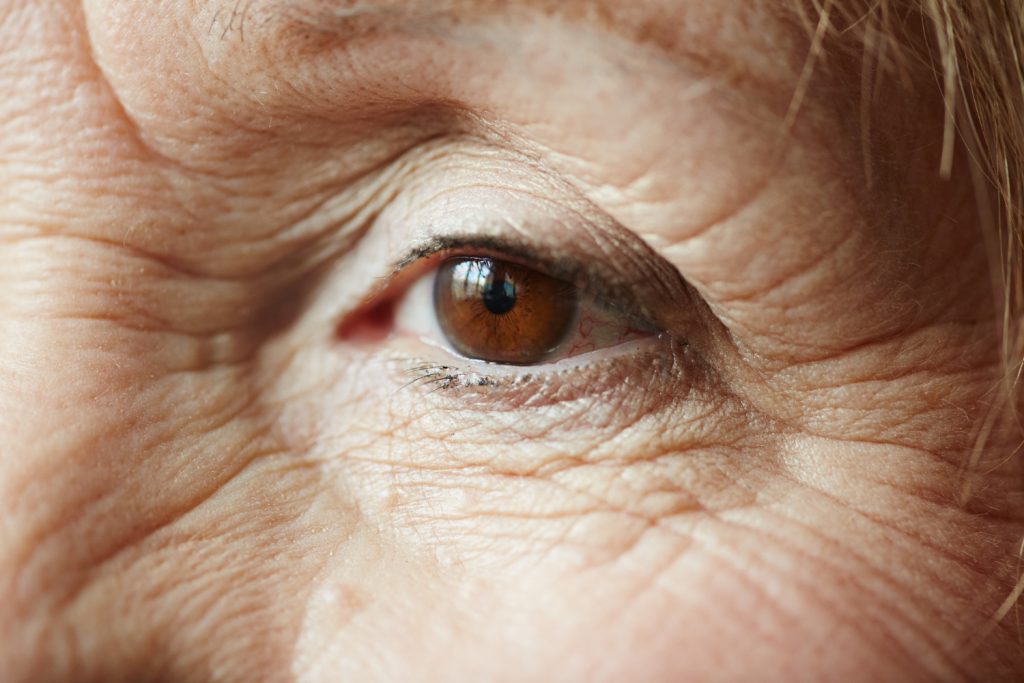
Aging begins at the cellular level. Over time, the body produces fewer new cells, inflammation becomes more persistent, and tissues lose their ability to repair themselves. Stem cell therapy is being researched for its potential to support these natural repair systems and promote healthier aging. While results vary and research is ongoing, early findings suggest several ways stem cells may influence the aging process.
Supporting Cellular Repair
As we age, the body becomes less efficient at repairing damaged cells. Mesenchymal stem cells release signals that may encourage damaged tissues to begin repairing themselves. This can support healthier skin, joints, muscles, and other tissues that naturally weaken with age.
Reducing Chronic Inflammation
Long-term inflammation is a significant factor in many age-related changes. Researchers often refer to this as inflammaging. Stem cells are being studied for their ability to help regulate inflammatory responses and promote a more balanced immune environment. Less inflammation can support better mobility, improved comfort, and healthier tissue function.
Encouraging Healthier Tissue Quality
Stem cell signaling may support the production of collagen, elastin, and other structural proteins. These proteins help keep skin firm and hydrated, support joint cushioning, and maintain muscle tone. Healthier tissues tend to look and feel younger.
Supporting Mitochondrial Function
Mitochondria are the power sources of the cell. As they weaken with age, energy levels decline. Early research suggests that stem cell activity may enhance mitochondrial efficiency, thereby supporting improved cellular energy production.
Helping Balance the Immune System
The immune system evolves. Some functions weaken, while others become overactive. Stem cell therapy is being investigated for its potential to modulate immune responses and promote a more balanced response. A balanced immune system is essential for long-term health and vitality.
Promoting Joint and Muscle Health
Aging often affects mobility. Stem cells may support tissues in the joints, tendons, and muscles by creating an environment that encourages repair. This is one reason many people explore stem cell therapy for age-related mobility changes.
Possible Influence on Biological Aging Markers
Some studies suggest that stem cells may affect markers of biological aging, including telomere behavior. Research in this area is still evolving, and more studies are needed to understand long-term effects.
Current Research on Stem Cells and Aging
The relationship between stem cells and aging has become a significant area of scientific research. Researchers are working to understand how stem cell activity changes over time and whether stem cell therapy can support healthier aging at the cellular level. While research is ongoing, several studies offer promising insights into how stem cells may influence age-related changes.
Inflammation and Immune System Balance
Many studies investigate the impact of mesenchymal stem cells on inflammation. Researchers have found that these cells release signaling molecules that help regulate immune activity. This has made stem cells a key focus of research on chronic inflammation and age-associated immune changes. Early findings suggest potential improvements in biomarkers associated with inflammaging.
Tissue Repair and Regeneration
Laboratory and clinical studies suggest that stem cells can encourage tissue repair by sending signals that support the regeneration of damaged or aging cells. This type of research is particularly active in areas such as joint health, muscle recovery, skin quality, and cardiovascular wellness. Scientists are investigating how stem cell signaling may help maintain healthier tissues as the body ages.
Skin and Aesthetic Aging Research
Several studies focus on how stem cells influence collagen production, skin elasticity, and moisture retention. Researchers are investigating how regenerative treatments can improve fine lines, skin texture, and overall tone. These studies are early, but interest in regenerative skincare and anti-aging applications continues to grow.
Metabolic and Mitochondrial Support
Some research suggests that stem cells may influence mitochondrial behavior. Since aging is closely tied to mitochondrial decline, scientists are investigating whether stem cell therapy can enhance cellular energy production. This area of study is evolving, and more data is needed to understand long-term effects.
Biological Aging Markers
A small number of studies have examined stem cell therapy in relation to biological aging markers, including telomere function. These findings are preliminary, and researchers emphasize that further controlled studies are necessary before drawing definitive conclusions.
Important Note on Research Status
Most research on stem cells and aging is still in its early stages. While early results are promising, scientists agree that more long-term studies are required to understand how stem cell therapy fully affects aging. Results vary based on stem cell type, dosage, and individual biology.
What to Expect from Stem Cell Therapy
If you are considering stem cell therapy as part of an anti-aging or wellness plan, understanding what the experience looks like can help you feel more confident and informed. While every clinic follows its own protocols and every patient’s plan is individualized, most treatments follow a general structure.
Consultation and Evaluation
The first step is a thorough consultation. A medical provider will review your health history, current concerns, and goals. Diagnostic tests or imaging may be recommended to determine whether you are a good candidate for treatment. This step is essential because stem cell therapy is not suitable for everyone.
Personalized Treatment Plan
A customized plan is created to meet your specific needs. Factors such as age, lifestyle, symptoms, and overall wellness are taken into account. The plan outlines recommended treatment methods, the type of cells used, and the expected timeline.
Treatment Process
The actual treatment varies depending on the protocol. After preparation, the stem cells are introduced into the body through the chosen method. This process is designed to support the body’s natural repair pathways and promote healthier cellular activity.
Comfort and Safety
Most patients report that treatment is well-tolerated. Minor soreness or fatigue can occur afterward as the body responds. Your provider will provide you with clear aftercare instructions to support your recovery and comfort.
Realistic Expectations
Stem cell therapy is not a quick fix for aging. Results vary and depend on overall health, consistency with wellness habits, and the type of stem cells used. Improvements may be gradual, subtle, and tied to internal cellular processes. Many patients report changes in energy, comfort, or recovery before they notice aesthetic benefits.
Follow-Up and Monitoring
Ongoing care is a crucial component of the process. Follow-up visits enable your provider to track your progress, assess your response to treatment, and make adjustments as needed. This ensures that your plan remains aligned with your health goals.
Who May Benefit from Anti-Aging Stem Cell Therapy?
Stem cell therapy is not intended for everyone, and it is not a cure for aging. However, some individuals explore this treatment as part of a broader effort to support wellness and longevity. The goal is to help the body maintain healthier cellular activity as it ages. Suitability depends entirely on a medical evaluation, but certain groups may find the concept especially appealing.
People Looking to Support Overall Wellness
Individuals who want to take a proactive approach to aging often seek treatments that help promote balance, vitality, and long-term cellular health. Stem cell therapy is being studied for its potential to support these goals.
Those Experiencing Age-Related Changes
People who have begun to notice regular age-related changes, such as reduced energy, slower recovery, or joint stiffness, may be interested in a treatment that focuses on cellular repair and the inflammatory response.
Individuals Focused on Joint or Muscle Comfort
Joint and musculoskeletal changes are common as people get older. Some seek stem cell therapy for support in these areas, especially when mobility or flexibility begins to decline.
Patients Interested in Regenerative Aesthetics
There is growing interest in regenerative approaches to skin health. Individuals seeking to support collagen production, enhance firmness, or improve skin quality may consider stem cell-based wellness treatments as part of a comprehensive aesthetic plan.
People Seeking Non-Surgical Anti-Aging Options
Not everyone wants surgical or aggressive procedures. Stem cell therapy is being researched as a less invasive option that focuses on internal cellular processes instead of external correction.
Those Who Want a Holistic Longevity Strategy
Many individuals combine stem cell therapy with healthy habits, such as a balanced diet, regular exercise, and stress management. These patients are often focused on improving wellness from the inside out.
Provider Evaluation Is Essential
Only a qualified medical professional can determine whether someone is a suitable candidate. Age, health status, medical conditions, and treatment goals all influence candidacy. A consultation ensures safety and alignment with realistic expectations.
Alternatives and Complementary Longevity Therapies
Stem cell therapy is only one part of the growing field of regenerative and longevity-focused wellness. Many people pair it with other science-backed approaches that support the aging process from different angles. These complementary therapies can help enhance overall wellness, improve energy levels, support tissue health, and promote more balanced aging outcomes.
Here are several popular options often used in conjunction with or as an alternative to stem cell therapy.
Hormone Optimization
Hormones naturally decline with age, and even slight imbalances can significantly impact energy, mood, metabolism, and body composition. A careful hormonal evaluation helps determine whether someone can benefit from individualized hormone support under medical supervision.
Platelet-Rich Plasma (PRP)
PRP uses a concentrated form of the patient’s own platelets to support tissue repair. It is often used for skin health, joint comfort, and hair restoration. PRP is sometimes combined with stem cell therapy for a more robust regenerative approach.
Nutrition and Metabolic Wellness
Diet and metabolic function play major roles in the aging process. Many individuals follow personalized nutrition programs, micronutrient testing, or metabolic optimization plans to support cellular energy and longevity.
Red Light Therapy
Red and near-infrared light therapies are being studied for their potential effects on inflammation, mitochondrial function, collagen production, and skin quality. These therapies are commonly used as a non-invasive complement to regenerative treatments.
Functional Medicine Approaches
Functional medicine focuses on identifying root causes of imbalance, such as nutrient deficiencies, stress, environmental factors, or inflammation. This approach is often combined with regenerative therapy to support whole-body wellness.
Movement and Recovery Protocols
Strength training, mobility work, and recovery-focused routines contribute to healthier aging. Physical activity supports mitochondrial function, bone density, joint stability, and metabolic health.
Turn Back the Clock
Aging is a natural process, but science is continually uncovering new ways to support the body’s ability to stay strong, balanced, and resilient over time. Stem cell therapy is one of the most promising areas of regenerative research because it focuses on cellular repair, inflammation control, and overall tissue health. While it is not a cure for aging, early studies show encouraging possibilities for those who want to take a proactive, wellness-centered approach to longevity.
Understanding how stem cell therapy works helps you make informed decisions about your health. By supporting healthier cellular communication and the body’s natural repair pathways, stem cell therapy may play a meaningful role in how you experience aging.
If you are interested in exploring regenerative therapies or want to learn whether stem cell treatment could be part of a personalized longevity plan, the next step is a professional consultation. A qualified provider can evaluate your goals, review your health history, and help determine the best course of action.
Healthy aging begins with informed choices. Schedule a consultation to explore your options and discover how regenerative wellness may support your long-term vitality.
